The short answer
Choose a sheen by how much wear and light a surface gets. Flat or matte hides wall flaws best in living rooms and bedrooms, eggshell or satin suits busy areas, and semi-gloss handles trim, doors and damp spaces. Shinier paint wipes clean more easily but shows more imperfections.
On this page
The sheen levels in plain language
Sheen is how much light a dried paint reflects. It changes how the color looks and how the surface holds up, so it is worth choosing on purpose.
- Flat or matte. No shine at all. It hides bumps and patches well, but marks can be harder to scrub off.
- Eggshell. A soft, low glow. It is a popular middle ground that wipes cleaner than flat.
- Satin. A smooth, velvety shine. It resists scuffs and wipes clean, but it begins to show wall flaws.
- Semi-gloss. A noticeable shine that stands up to moisture and frequent cleaning, and it shows every imperfection underneath.
- Gloss. The shiniest and toughest finish, used for small accents and hard-working surfaces where a bold look is wanted.
Hiding flaws versus wiping clean
Every sheen is a trade-off between two goals. The less a paint shines, the better it hides dents, roller marks and patched spots. The more it shines, the more it resists stains and the easier it is to wipe.
Walls in older homes or with a lot of patching usually look best with a lower sheen. Busy surfaces that get touched, splashed or scrubbed usually do better with a higher one. Good prep helps either way, and the guide on how to prepare your home for painters covers getting walls ready. To estimate quantities, see how much paint do I need for a room.
Sheen by room
These are common starting points. Your painter can adjust them for your walls and your household.
- Living rooms and bedrooms. Flat, matte or eggshell. These rooms see less splashing, and a soft finish hides wall flaws and looks calm in lamp light.
- Kitchens. Eggshell or satin on walls, so grease and splatters can be wiped away.
- Bathrooms. Satin or semi-gloss, since steam and splashes need a finish that resists moisture and cleans easily. More in the best paint for a bathroom.
- Hallways and kids' rooms. Eggshell or satin. Hands, backpacks and furniture leave scuffs, and these sheens take a wipe better than flat.
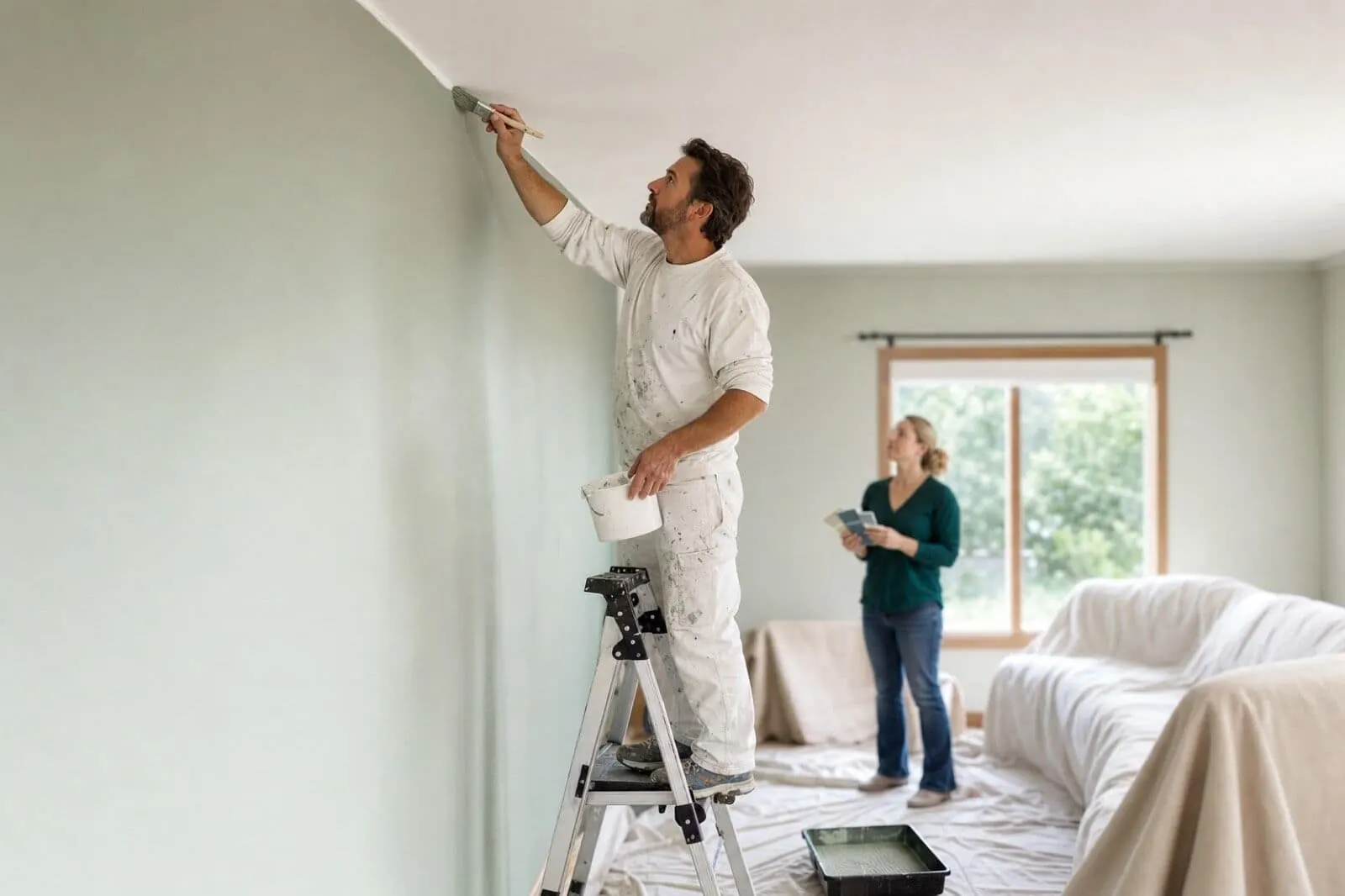
- Ceilings. Flat or matte is the usual choice because it hides roller marks and avoids glare overhead.
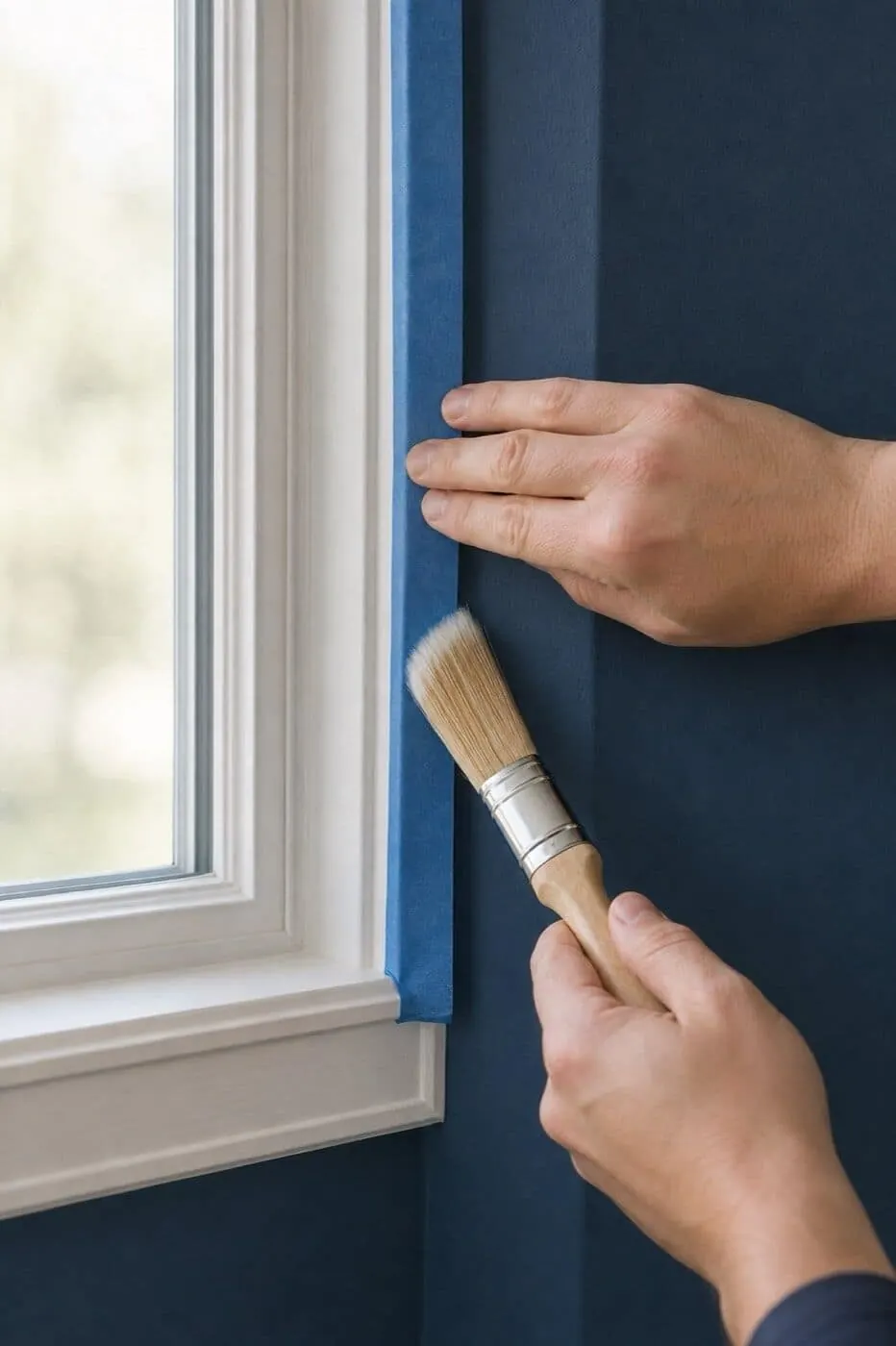
- Trim and doors. Satin or semi-gloss. They get touched often and benefit from a harder, wipeable finish that also frames the walls. See whether to paint trim before or after the walls.
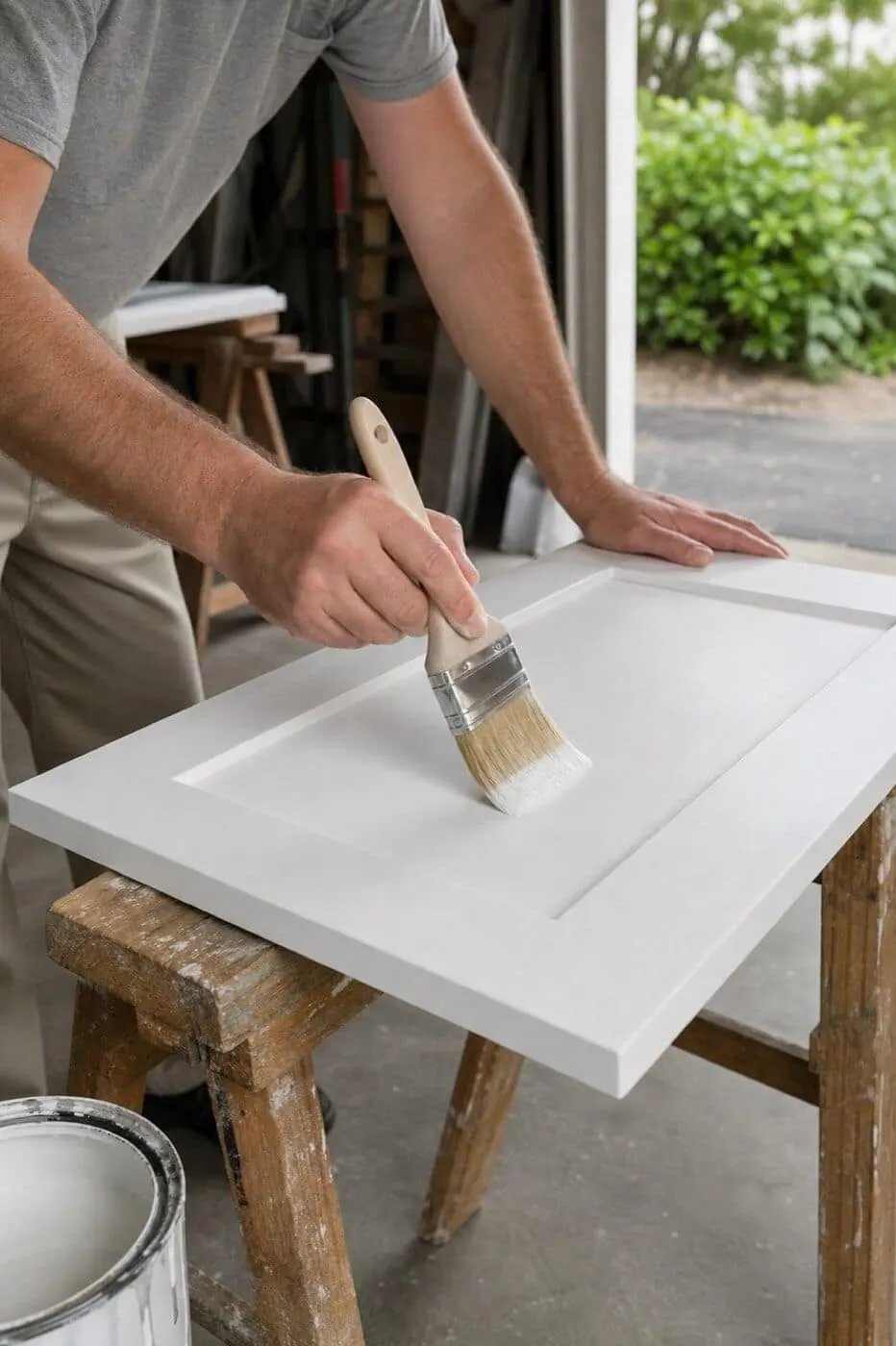
- Cabinets. Satin or semi-gloss for a durable, cleanable surface. See paint or replace kitchen cabinets for how to decide on the project itself.
How to choose with confidence
A short test beats guessing, because light and color change how a sheen looks in your own home. The same differences are why patches can stand out, as explained in how to touch up paint without it showing.
- Test samples on the wall. Paint a sample patch and look at it in morning, afternoon and lamp light before deciding.
- Check the surface first. Rough or patched walls call for a lower sheen than smooth ones.
- Ask your painter. A local pro who has seen your walls can recommend a sheen for each room and explain what to expect. For timing, see how long interior painting takes.
- Keep a record. Note the sheen for each room so touch-ups later match the original finish.
Want a licensed local pro to take a look? Request a quote and attach a photo.