The short answer
Often yes, with the right prep. Wash off grease, then dull the shine with a light scuff-sand or a liquid deglosser, and apply a bonding primer before the new paint. Skipping these steps can leave paint that peels. Test a small patch first, and take care with old paint in pre-1978 homes.
On this page
Can you paint over glossy paint without sanding?
Sometimes, but not by simply rolling new paint on. Gloss paint is smooth and hard, so new paint has little to grip and can peel or scratch off later. Something has to dull the surface or help the new coat bond to it. That can be a light scuff-sand, a liquid deglosser or a bonding primer, and many painters use more than one of them.
Whether you can skip sanding depends on the surface and how much wear it gets. A door, a trim run or a set of cabinets is handled all day, so it needs more care than a ceiling-height wall.
How do you prepare glossy paint for a new coat?
Work in this order, and do not skip the first step.
- Degrease and clean. Wash with a household degreaser or a cleaner made for painted surfaces, then rinse and let it dry. Kitchen cabinets and doors collect cooking film and hand oils that stop paint from sticking.
- Dull the shine. Scuff the surface with fine sandpaper until the gloss turns flat and hazy, or use a liquid deglosser. You are not stripping the paint, just roughing it up.
- Wipe off the dust. Use a tack cloth or a damp rag, and let the surface dry.
- Prime. Apply a bonding primer, covered below.
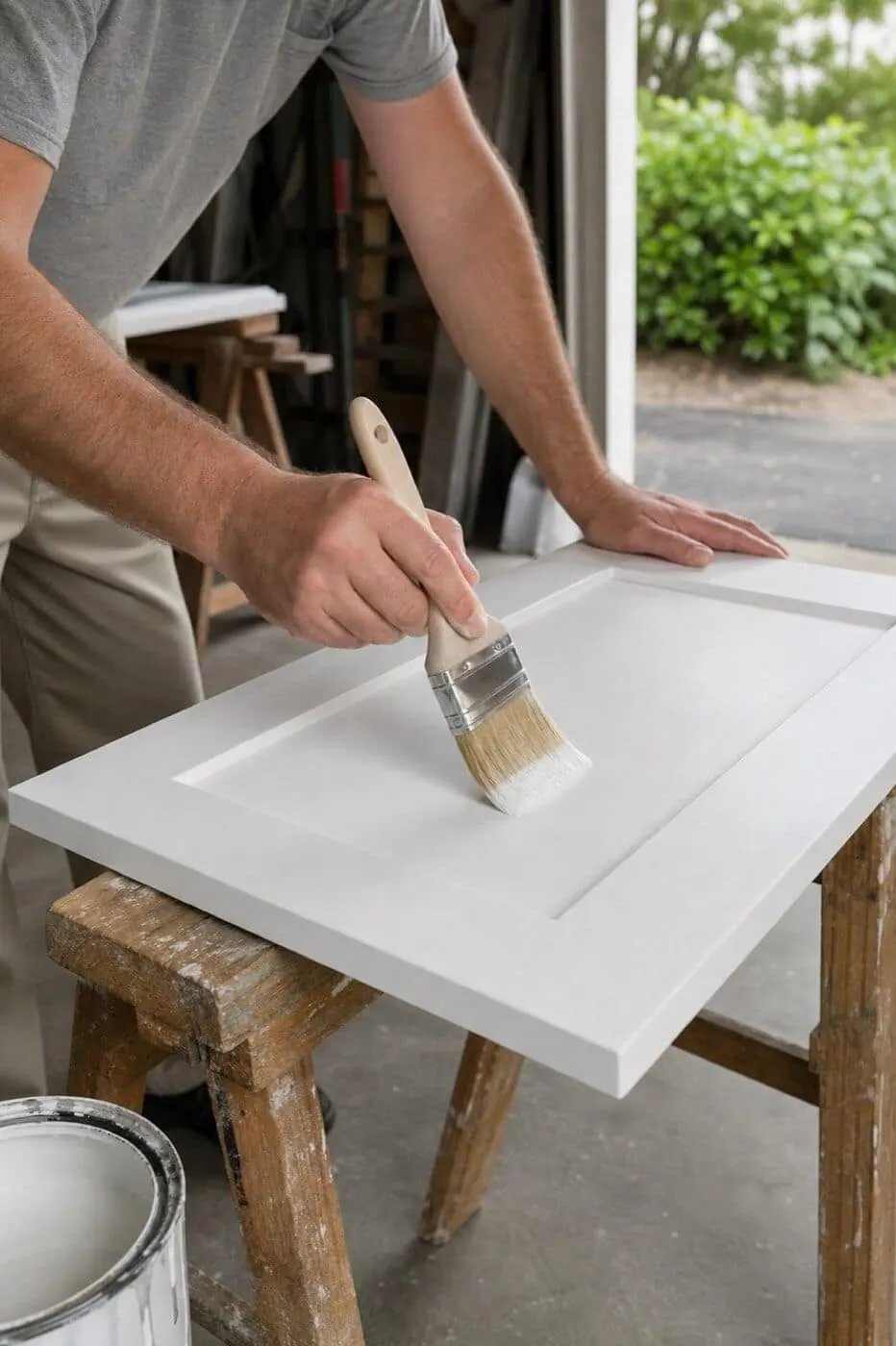
- Paint. Put on the finish coat in thin, even layers and let each coat dry as the can directs.
If the old paint is peeling, cracked or chalky, scrape and sand the loose parts first. Old paint in a home built before 1978 may contain lead, so read painting homes built before 1978 before you sand or scrape anything.
What is a liquid deglosser, and when does it help?
A liquid deglosser is a chemical wipe that softens and dulls the top of a glossy finish so new paint can bond, with little or no sanding. It is handy on detailed trim, spindles, balusters and cabinet profiles where sandpaper is hard to use.
- Follow the label. Products differ in how long they need to sit and whether the surface must be rinsed.
- Ventilate. Open windows and use the protective gear the label lists.
- Check the result. The surface should look dull. Any shiny spots left need another pass.
A deglosser is not a cure for failing paint. It helps sound, glossy paint accept a new coat. Even then, a bonding primer on top is the safer step.
Which primer works on glossy surfaces?
A bonding primer is made to stick to slick surfaces such as glossy paint, laminate and tile, and it gives the finish coat something to hold. Some are water-based and some are oil-based. Check that the label lists glossy or previously painted surfaces.
The guide on whether you need primer before painting explains the other primer types and when a primer can be skipped. For a closer look at one common project, see painting kitchen cabinets without sanding.
Can you use latex paint over oil-based paint?
Yes, if the old oil paint is clean, dulled and primed with a bonding primer. Latex paint put straight over glossy oil paint tends to peel, because it cannot grip the hard, slick surface.
- Not sure what is on the wall? Rub a small hidden spot with a rag and rubbing alcohol. Latex paint usually softens or comes off on the rag, while oil paint usually does not. It is a rough clue, so confirm it with a test patch.
- Oil over latex. This works too, but oil-based products dry slowly, smell strongly and need good ventilation.
- Finish coat. Pick the sheen for the room, as covered in the paint sheen guide.
Why do a test patch first?
A test patch shows whether the new paint really bonds before you commit a whole room. Prep and paint a small hidden spot, such as the back of a door or the inside of a closet, the same way you plan to do the rest.
- Let it cure. Wait several days, not just until it is dry to the touch.
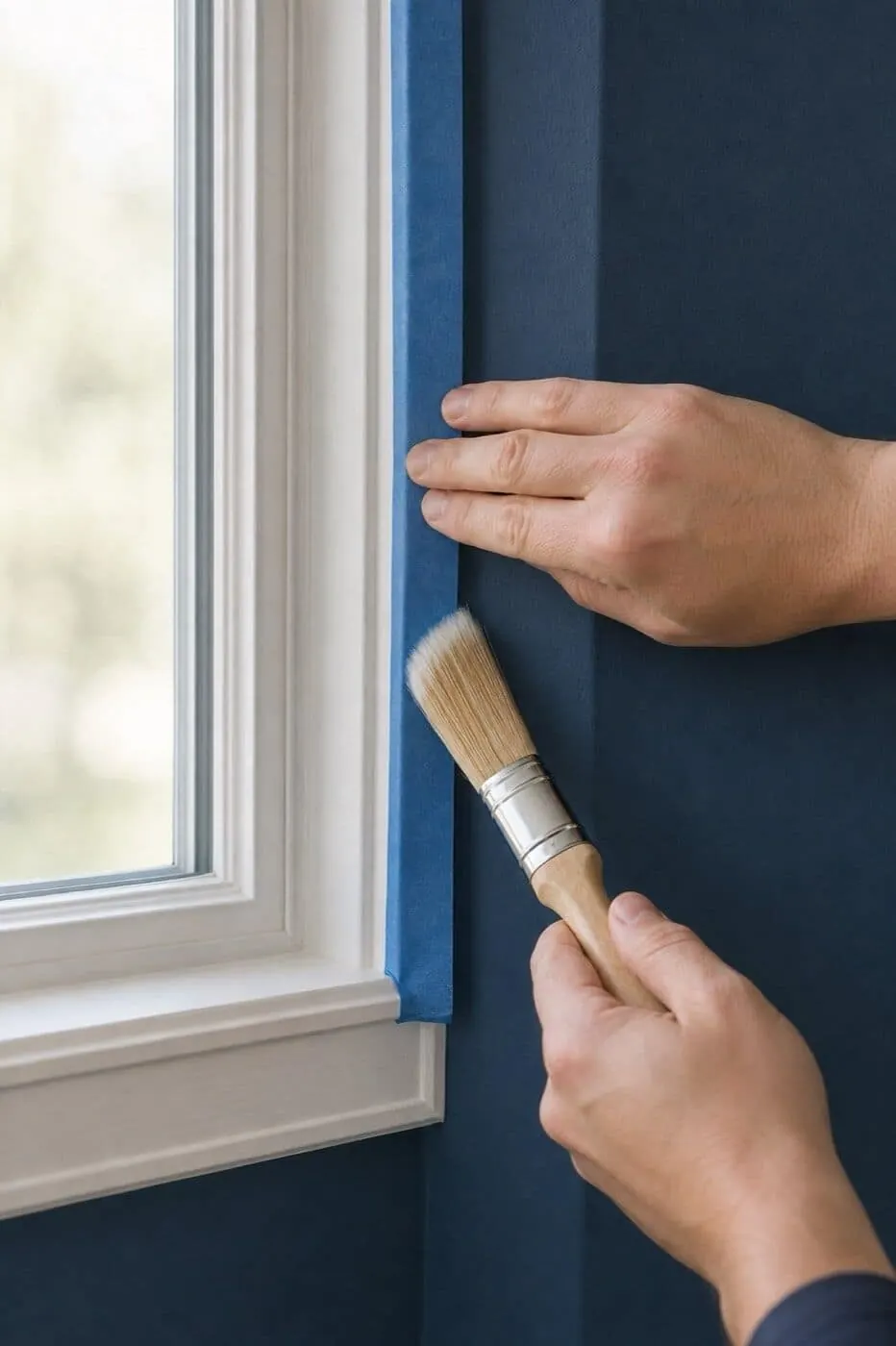
- Scratch it. Press a fingernail into it, or press a piece of painter's tape on and pull it off. If paint lifts, add more scuffing or a better primer.
- Check the look. Make sure the color and sheen are right in your own light.
If the patch fails or you are unsure about a large area, a local pro can look at the surface and tell you what it needs. Learn more about the interior painting process.
Not sure how to handle glossy surfaces in your home? Request a quote and attach a photo.