The short answer
Not always. Primer is needed on bare drywall, patched spots, bare or stained wood, glossy surfaces, stains such as water, smoke or tannin, and big color changes. A quality paint over clean, sound paint of a similar color usually needs no separate primer.
On this page
When do you need primer?
Primer is a thin, sticky base coat. It seals surfaces that would otherwise soak up paint unevenly and gives the finish coat something to grip. It is worth the extra step in these cases:
- New or bare drywall. Drywall and joint compound absorb paint at different rates, so without primer the finish can look blotchy.
- Patched and repaired spots. Filled holes and cracks soak up paint and can show through as dull patches, a problem called flashing. Spot-priming them evens things out.
- Bare or stained wood. Raw wood drinks paint, and knots can bleed through.
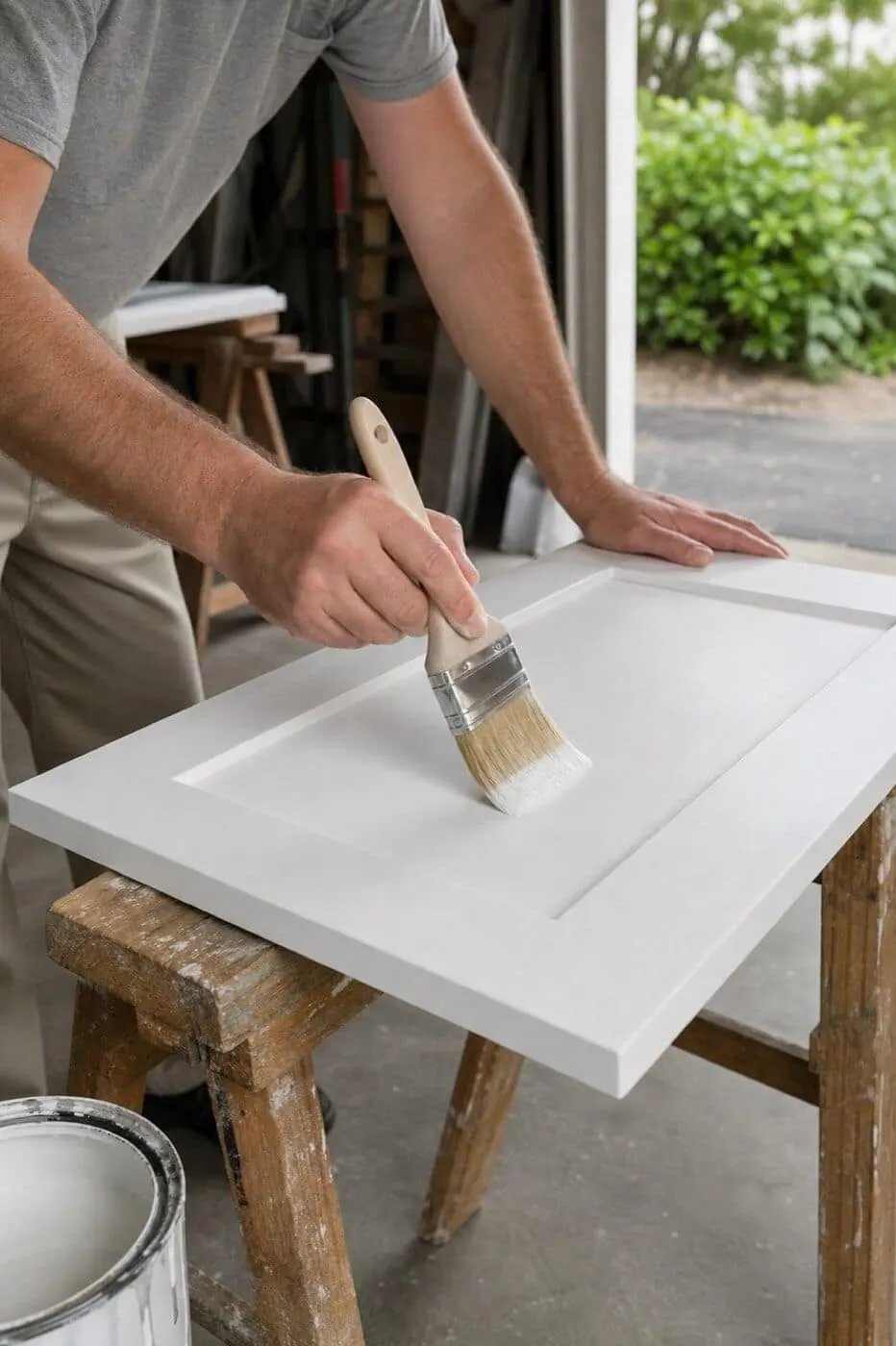
- Glossy surfaces. Glossy trim, doors and old cabinets need a bonding primer after a light sanding so new paint does not peel. If the surface is old paint in a home built before 1978, read painting homes built before 1978 before you sand.
- Stains. Water, smoke, grease and tannin stains bleed through ordinary paint unless they are sealed first.
- Big color changes. Going from a deep color to a pale one is easier with a tinted or high-hide primer underneath. See how to paint over a dark wall color.
When can you skip primer?
If the existing paint is clean, sound and close to the new color, a separate primer is usually not needed. The old paint already gives the new coat a good surface to grip.
- Clean walls in good shape. No peeling, chalking or heavy stains.
- A similar color. Light to light, or mid-tone to mid-tone.
- A similar type of paint. Latex over latex is the easy case.
Skipping primer still does not mean skipping prep. Washing walls, scraping loose paint, filling holes and sanding rough spots come first, and the guide on how to prepare your home for painters covers what to do before the crew arrives. Walls with wallpaper need their own steps, covered in the guide on painting over wallpaper.
Is paint-and-primer-in-one enough?
On clean, sound walls, often yes. Paint-and-primer products are thicker and cover better than basic paint, which can save a coat when you are changing color on good walls.
They are not a true replacement for a dedicated primer where the surface has a real problem. Stains, bare wood, glossy finishes (see painting over glossy paint without sanding) and new drywall still do better with the right primer first. Ask your painter which products they trust for your surfaces, and check the paint sheen guide when you choose the finish coat.
Which primer for stains, wood or glossy surfaces?
Different problems call for different primers, so it helps to know the basic types.
- Drywall primer. Seals new drywall and patches so the finish coat looks even.
- Stain-blocking primer. Seals water, smoke, grease and tannin stains. Oil-based and shellac-based options are the traditional choices for tough stains, and they need good ventilation while they dry.
- Bonding primer. Grips slick surfaces such as glossy trim, laminate and previously painted cabinets. See paint or replace kitchen cabinets for how cabinet projects go.
- Wood primer. Seals bare wood and helps stop knots from bleeding through.
A stain that comes back after painting usually means the source, such as a leak, was not fixed. Repair the cause first, then prime; the guide on covering a water stain on a ceiling walks through it. Learn more about the interior painting process.
What about exterior surfaces in Minnesota?
Outdoors, primer matters more. Siding and trim face sun, rain, snow and big temperature swings through the year, and bare wood, patched areas and spots where paint has failed need priming so the new coat sticks and lasts.
- Bare wood and scraped areas. Spot-prime them after scraping and sanding.
- Chalky or weathered paint. Wash it well, and ask whether a masonry or bonding primer is needed.
- Mildew. Clean it off before priming, or it can return through the new paint.
- Weather. Primer and paint both need dry surfaces and suitable temperatures, which in Southeast Minnesota narrows the painting season.
If you are planning an exterior project, the exterior painting page explains what is involved, and a local pro can tell you which spots on your home need primer. If paint is already failing, read why exterior paint peels.
Not sure which surfaces need primer? Request a quote and attach a photo.